Home Cladding Installation in Boston, MA
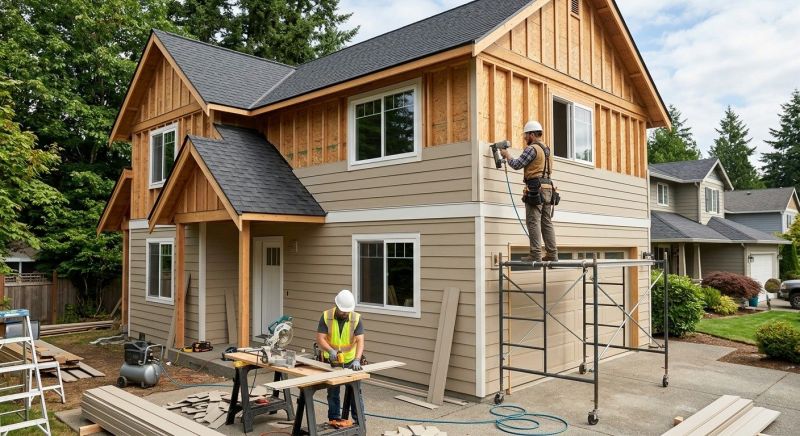
Home cladding installation services involve adding exterior materials to a property’s walls to enhance appearance, improve insulation, and provide protection against the elements. These projects can include updating the facade of residential homes, upgrading older properties, or completing new construction builds. Homeowners typically seek information about the types of cladding materials available-such as vinyl, wood, fiber cement, or brick-and how each option can complement the style of their property. It’s also common to inquire about the durability, maintenance requirements, and overall impact on energy efficiency before proceeding with a cladding upgrade.
Property owners interested in home cladding installation usually want to understand the scope of the project, including preparation work, material choices, and the expected lifespan of different options. Clarifying the process involved, from removing existing siding to installing new panels or finishes, helps ensure a smooth renovation. Additionally, considerations around weather resistance, aesthetic appeal, and compatibility with existing structures are important factors in making an informed decision about cladding upgrades or replacements.
Many property owners in Boston, MA look into Home Cladding Installation for repairs, replacements, upgrades, and appearance-related improvements.
Enhancing Exterior Durability
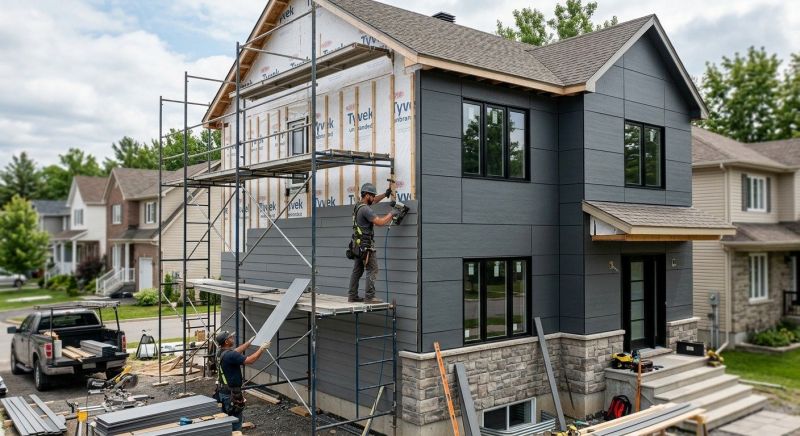
Home cladding protects your property from weather elements and extends its lifespan.
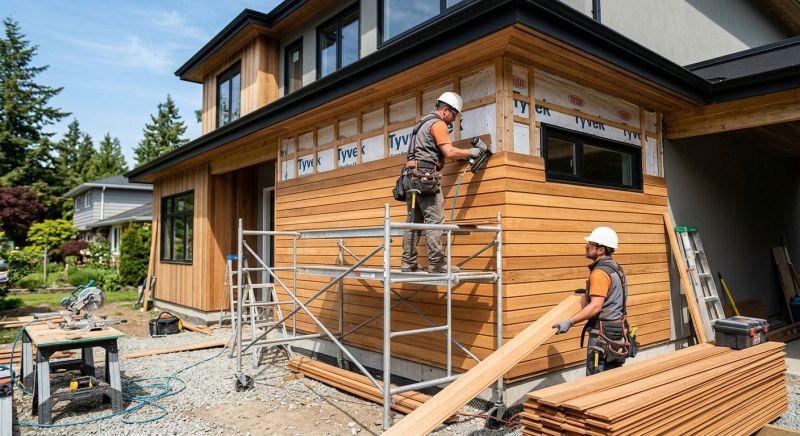
Variety Of Cladding Materials
Options include vinyl, wood, fiber cement, and stone to suit different aesthetic preferences and needs.
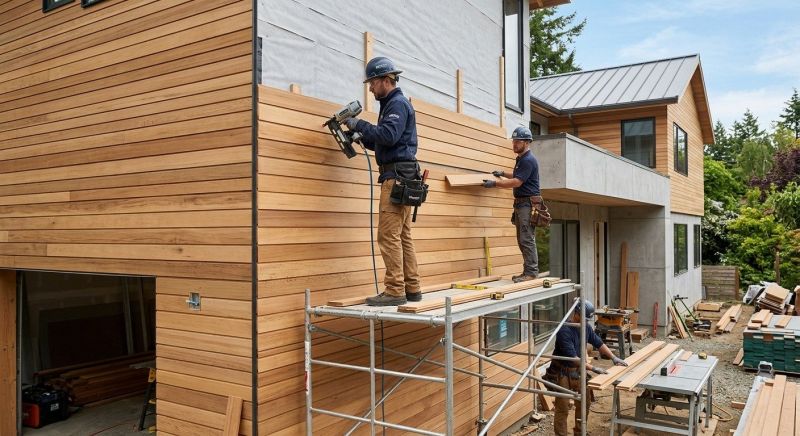
Improving Property Appearance
Cladding installation can update the look of your home and increase curb appeal in boston neighborhoods.
Home Cladding Installation in Boston, MA

Home cladding installation services involve adding exterior materials to a property’s walls to enhance appearance, improve insulation, and provide protection against the elements. These projects can include updating the facade of residential homes, upgrading older properties, or completing new construction builds. Homeowners typically seek information about the types of cladding materials available-such as vinyl, wood, fiber cement, or brick-and how each option can complement the style of their property. It’s also common to inquire about the durability, maintenance requirements, and overall impact on energy efficiency before proceeding with a cladding upgrade.
Property owners interested in home cladding installation usually want to understand the scope of the project, including preparation work, material choices, and the expected lifespan of different options. Clarifying the process involved, from removing existing siding to installing new panels or finishes, helps ensure a smooth renovation. Additionally, considerations around weather resistance, aesthetic appeal, and compatibility with existing structures are important factors in making an informed decision about cladding upgrades or replacements.
Many property owners in Boston, MA look into Home Cladding Installation for repairs, replacements, upgrades, and appearance-related improvements.
Common Home Cladding Installation Jobs
Home Cladding Installation - enhances the exterior appearance and provides added protection for residential properties.
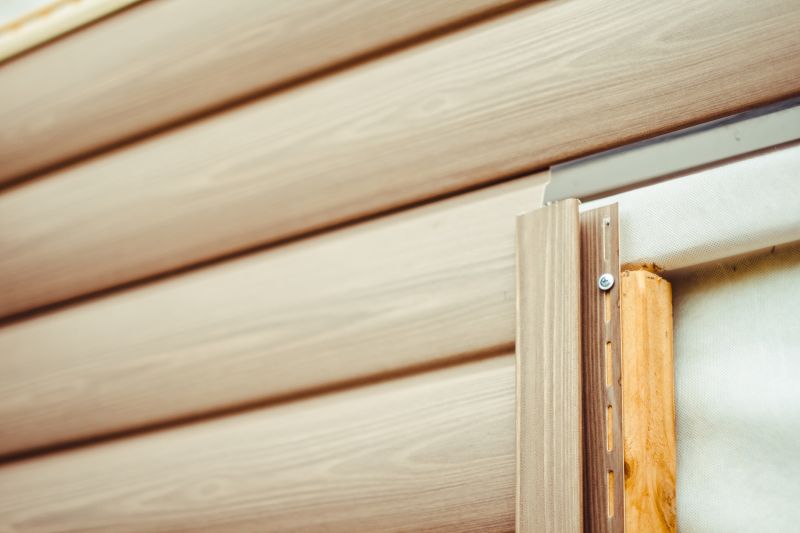
Vinyl Cladding - offers a durable and low-maintenance option for updating home exteriors.
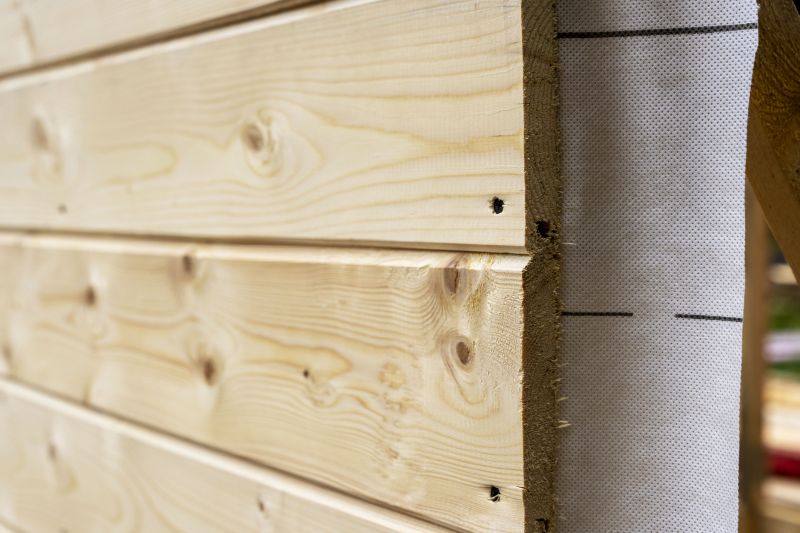
Wood Cladding - adds natural beauty and traditional charm to various architectural styles.
Fiber Cement Cladding - provides weather resistance and long-lasting performance in exterior applications.
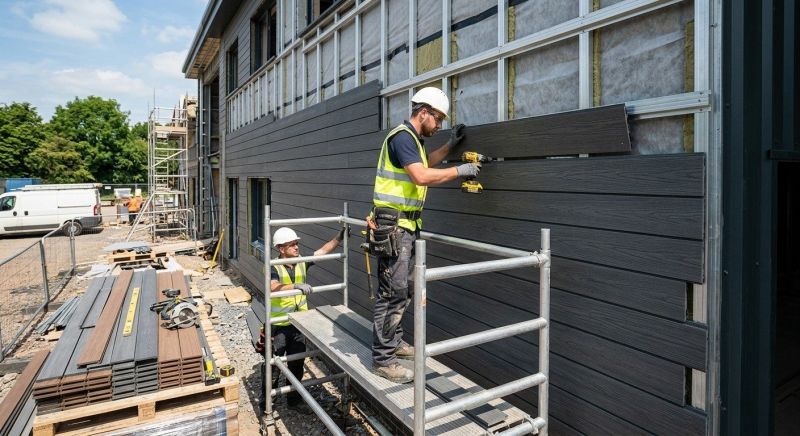
Metal Cladding - delivers a modern look with increased durability and minimal upkeep.
Insulated Cladding - improves energy efficiency while safeguarding the building envelope.
Home Cladding Installation Questions
What types of materials are used for home cladding? Common options include vinyl, wood, fiber cement, and metal, each offering different styles and durability levels for various property needs.
Can home cladding improve energy efficiency? Yes, cladding can provide additional insulation, helping to reduce heat transfer and improve overall energy performance of a property.
Is home cladding suitable for all types of buildings? Cladding can be applied to a wide range of residential properties, including single-family homes and multi-unit buildings, depending on the project scope.
What is the typical purpose of installing home cladding? Cladding is primarily used to protect the exterior from weather elements, enhance appearance, and increase the property's overall durability.
Request Home Cladding Installation in Boston, MA
Use the quote form on this page to share the basics of your project and request more information for the type of work you need.